










How to Deal with Load Shedding at Home

Load shedding is a common issue in many parts of Bangladesh, especially during the summer when electricity demand increases. Sudden power cuts can disrupt work, sleep, cooking, and daily comfort.
While you cannot control power outages, you can prepare your home to handle them efficiently and safely.
This guide explains practical, affordable ways to deal with load shedding at home.
Quick Answer: How Can You Manage Load Shedding at Home?
To deal with load shedding effectively:
- Keep rechargeable lighting ready
- Use backup power solutions
- Improve ventilation naturally
- Protect electronic devices
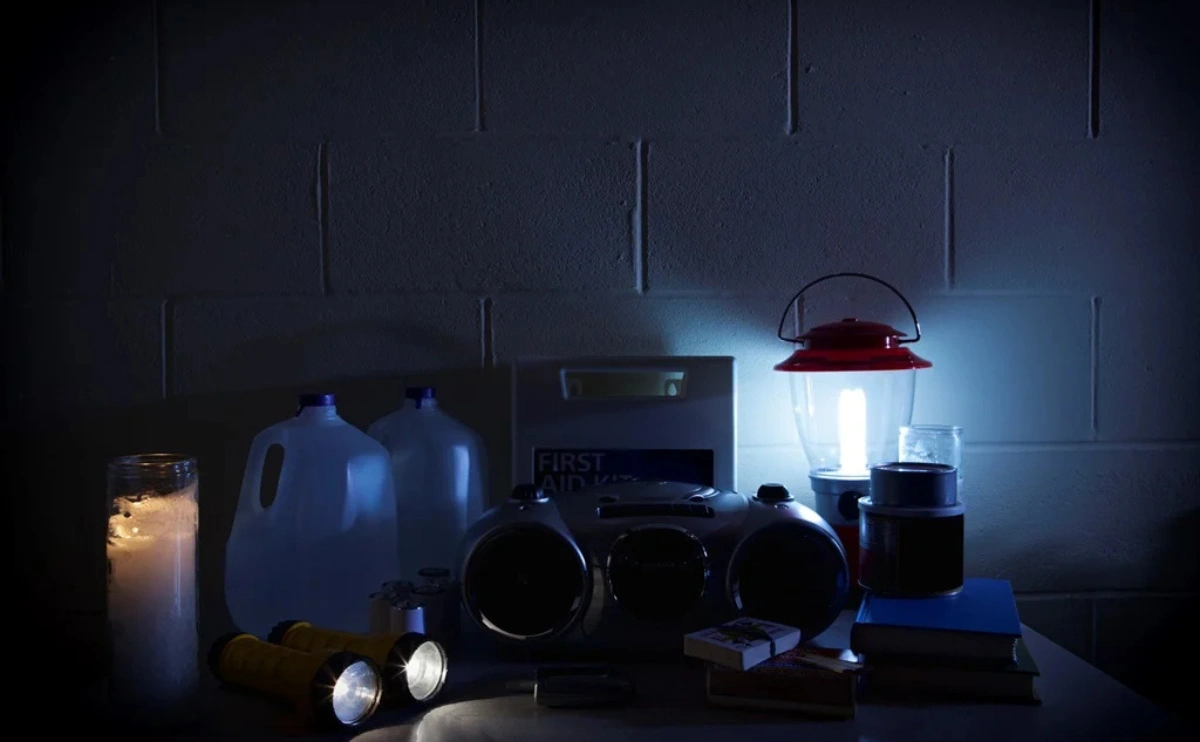
- Store emergency essentials
- Plan daily tasks smartly
Now let’s explore each solution in detail.
1. Use Rechargeable Emergency Lights
Why it’s important
When power goes out at night, darkness can cause inconvenience and safety risks.
Smart Solution
- Rechargeable LED emergency lights
- Rechargeable table lamps
- Portable battery-powered lights
LED lights consume less energy and provide long backup time.
Tip: Keep them fully charged before peak load shedding hours (usually evening).
2. Keep Portable Rechargeable Fans
During summer in Bangladesh, load shedding often happens during extreme heat.
Why this matters
Without fans, indoor air becomes uncomfortable quickly.
Recommended Solutions
- Rechargeable mini fans
- Battery-operated table fans
- High-capacity power bank fans
These can provide airflow during outages and improve comfort.
3. Use UPS or IPS for Essential Devices
For homes where electricity cuts affect work or online classes:
Options
- UPS for WiFi router
- IPS (Instant Power Supply) system
- Small inverter backup
Even a small backup system can keep internet and lights running.
4. Protect Your Electronics
Power returning suddenly after load shedding can cause voltage fluctuation.
Prevent Damage
- Use surge protectors
- Install voltage stabilizers
- Unplug sensitive devices during outage
This protects TV, refrigerator, computer, and router from damage.
5. Improve Natural Ventilation
During power cuts, AC and fans may not work.
What helps
- Open windows strategically
- Create cross ventilation
- Use breathable curtains
- Avoid blocking airflow
Natural air circulation reduces discomfort.
6. Store Drinking Water and Essentials
Electric pumps may stop working during outages.
Keep Ready
- Stored drinking water
- Charged power banks
- Flashlights
- Candles (with safety precautions)
Preparedness reduces stress.
7. Plan Smart Around Load Shedding
If outages are predictable in your area:
- Cook before peak hours
- Charge devices in advance
- Complete important work earlier
- Avoid elevator use during uncertain times
Planning reduces disruption.
8. Keep Your Refrigerator Closed
Many people open the fridge frequently during load shedding.
Important Tip
Keep the refrigerator door closed to maintain cooling temperature longer.
A closed fridge can preserve food for several hours.
9. Install Energy-Efficient Lighting
Low-power LED lighting reduces strain on backup systems and IPS.
This ensures longer backup time during outages.
10. Use Multi-Purpose Emergency Kits
Prepare a small home emergency kit including:
- Rechargeable light
- Mini fan
- Power bank
- Extension cord
- Basic first aid items
Keeping everything in one place saves time.
Why Load Shedding Preparation Matters
Load shedding affects:
- Productivity
- Comfort
- Food safety
- Device safety
- Children’s study time
Simple preparation improves safety and reduces frustration.
Final Thoughts
Load shedding is a reality in many parts of Bangladesh. However, smart planning and practical tools can make power outages manageable and less stressful.
From rechargeable lighting to ventilation improvements, small upgrades can significantly improve comfort during outages.
At DeshiZone, we focus on practical, problem-solving home products that help you stay prepared — even during unexpected load shedding.